
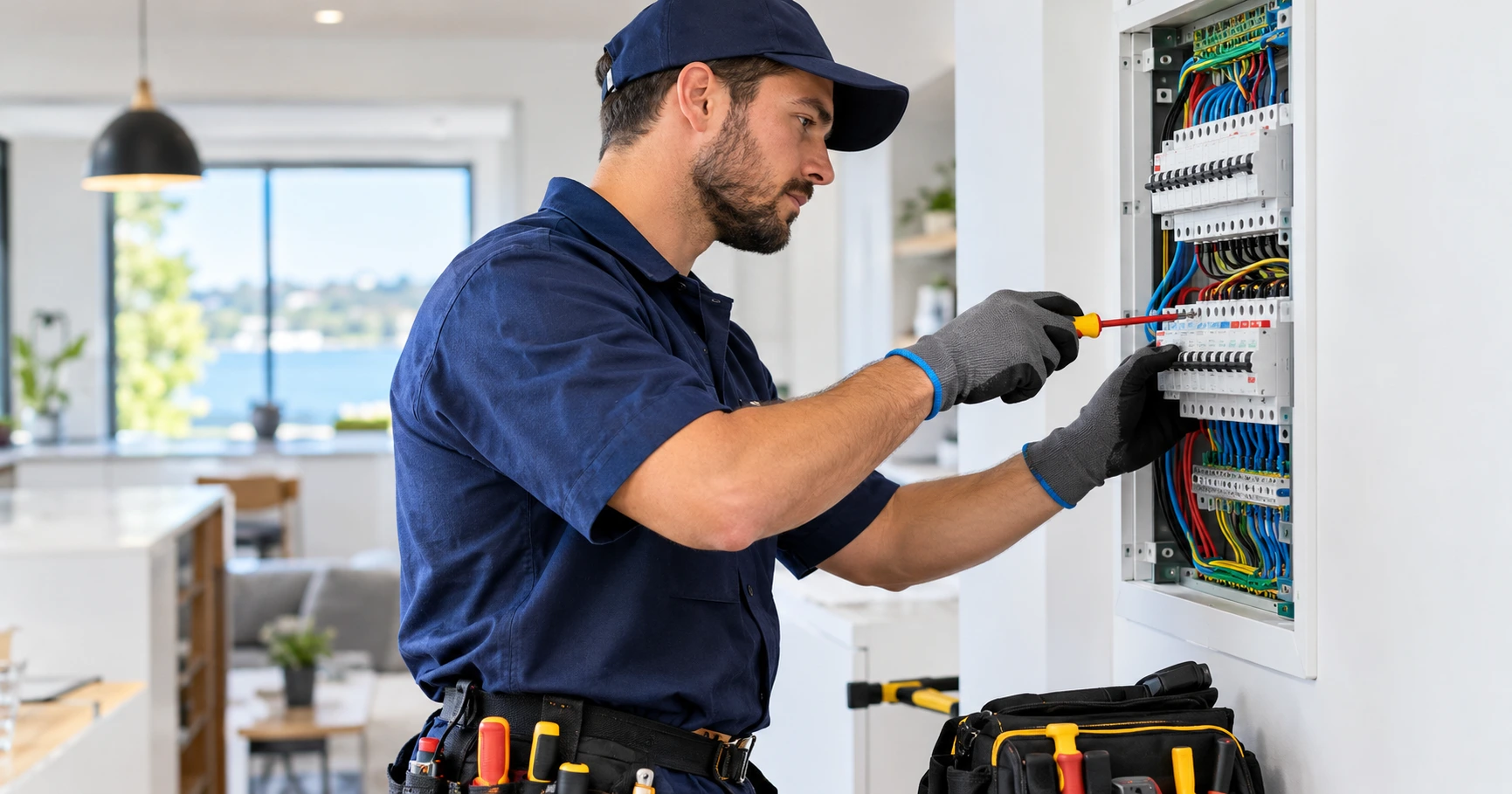
Whether the lights are flickering in your home, a circuit breaker keeps tripping at your workshop, or you’re planning a fit-out for a new commercial space, finding a dependable electrician Silverwater property owners can trust makes a real difference. Electricity powers almost everything we do, but it is also unforgiving when something goes wrong. Faulty wiring, aging switchboards, and poorly installed fittings are leading contributors to electric shock and electrical fires.
Silverwater is a unique mix of established homes, apartments, industrial units, warehouses, workshops and busy commercial premises. Each has different electrical demands, and each benefits from a qualified professional who understands how to keep power safe, reliable and compliant.
This guide explains the electrical services available in Silverwater, the warning signs that call for professional attention, what to look for when choosing an electrician, and what to expect when you book. It is written to help homeowners, landlords, property managers, and business operators make informed decisions.
Reliable Electrical Services in Silverwater
Good electrical work is largely invisible. When it is done properly, the lights come on, the appliances run and nobody gives it a second thought. When it is done poorly, problems can show up months or years later as nuisance faults, damaged equipment, or serious safety hazards.
Professional electrical services Silverwater customers rely on typically cover:
- Fault finding and urgent repairs
- New installations and upgrades
- Scheduled maintenance and testing
- Safety inspections and compliance checks
- Lighting, power and wiring projects for homes and businesses
A qualified electrical contractor brings training, testing equipment and knowledge of Australian Standards, so work is carried out safely and checked before it is signed off. That combination of skill, tools and accountability is what separates professional work from guesswork.
Why Choose a Licensed Electrician Silverwater?
In Australia, most electrical work must be carried out by a licensed electrician. This is not a technicality. Electrical work is regulated because mistakes can cause fires, injuries, and fatalities, and because faults can remain hidden behind walls and inside switchboards until something fails.
Choosing a licensed electrician Silverwater residents and businesses can rely on offers several important benefits:
- Safety: Licensed electricians are trained to isolate circuits, test for live components and work safely around hazards.
- Compliance: Work must meet the Wiring Rules (AS/NZS 3000) and other applicable requirements in New South Wales.
- Accountability: A licensed professional is responsible for the work they carry out and can provide the required documentation.
- Insurance considerations: Unlicensed electrical work can create problems with insurance claims and property sales.
- Long-term reliability: Correct materials, correct connections and proper testing reduce the chance of repeat faults.
Home DIY projects such as painting or assembling furniture are one thing. Electrical work is different. Attempting to repair wiring, replace a switchboard or install fixed fittings without the right qualifications is dangerous and, in most cases, illegal. If something electrical needs more than resetting a safety switch or changing a light globe, call a professional.
Local Electrician Silverwater for Homes and Businesses
Hiring a local electrician Silverwater-based can offer practical advantages that are easy to overlook until you need help quickly.
Local knowledge: Electricians who regularly work in the area become familiar with the age and construction of nearby properties, from older houses that may still contain outdated wiring to modern industrial units with high power demands. That experience helps with faster diagnosis and more realistic recommendations.
Convenient response times: Being nearby generally means less travel time, which can matter when a fault affects your home comfort or your business operations.
Familiarity with local requirements: Local professionals understand how electrical compliance works in the area and are used to dealing with property managers, strata bodies, and commercial landlords.
Relationships built on reputation: Local tradespeople depend on word of mouth, so they have a strong incentive to communicate clearly and do the job properly.
Residential and commercial experience: A local electrician often works across both sectors, bringing practical experience that suits everything from a single power point to a warehouse lighting upgrade.
Our Electrical Services Silverwater
A professional electrician in Silverwater can handle a broad range of work. The sections below outline the main services and when you may need them.
Electrical Repairs Silverwater
Electrical repairs Silverwater property owners request most often include faulty power points, dead circuits, failed light fittings, damaged switches and appliances that trip the power. Repairs begin with diagnosis. A good electrician will identify the underlying cause rather than replacing parts and hoping for the best.
Electrical faults rarely fix themselves. Ignoring a minor issue, such as a warm switch or an outlet that occasionally crackles, can allow it to develop into something more serious.
Electrical Installation Silverwater
New equipment and new spaces need new electrical work. Electrical installation Silverwater projects include adding circuits for air conditioners, installing ovens and cooktops, wiring home offices, setting up workshop power, installing data and communications points, and supporting renovations and fit-outs.
Installations should be planned around the load a circuit will carry. Overloading existing circuits is a common cause of tripping breakers and overheated wiring, so correct circuit design matters.
Electrical Maintenance Silverwater
Electrical maintenance Silverwater services focus on keeping systems safe and operating well. This may involve inspecting switchboards, testing safety devices, checking connections and identifying wear before it leads to a failure. Maintenance is especially valuable for businesses, where unexpected downtime can be costly.
Electrical Fault Finding
Tracing the source of an electrical problem requires methodical testing. Professional electrical fault finding uses measuring instruments to check circuits, insulation and connections, narrowing down the problem without unnecessary guesswork. It is covered in more detail further down this page.
Switchboard Repairs and Upgrades
The switchboard is the control centre of your electrical system. Switchboard repairs and upgrades may be needed when a board is old, damaged, overloaded or no longer suited to the property’s demands. Details are explained in the switchboard section below.
Power Point Installation
Additional outlets, replacement of damaged ones and relocated outlets all fall under power point installation. This is an area where professional work is essential, because outlets connect directly to the home’s wiring.
Lighting Installation Services
From downlights and pendant lights to outdoor and security lighting, lighting installation services can improve the look, safety and energy efficiency of a property. More information follows below.
Smoke Alarm Installation
Working smoke alarms provide early warning of fire. Professional smoke alarm installation ensures alarms are positioned, interconnected where required and compliant with current regulations.
Electrical Wiring and Rewiring
Older properties and those with recurring faults may need electrical wiring and rewiring. This is a significant project that must be carried out and tested by qualified professionals.
Safety Switch Installation
Safety switch installation adds an important layer of protection against certain electrical hazards, and is discussed in detail below.
Residential Electrician Silverwater
A residential electrician Silverwater homeowners and tenants call on deals with the everyday electrical needs of a household. Homes vary widely in age, layout and electrical capacity, so the right solution often depends on the property.
Common residential electrical work includes:
- Repairing faulty outlets, switches and lights
- Upgrading old switchboards
- Installing safety switches and smoke alarms
- Adding power points for modern lifestyles, such as home offices, entertainment areas and electric appliances
- Installing LED lighting and ceiling fans
- Preparing a property for sale or rental with safety checks
- Investigating tripping breakers or power loss
Landlords and property managers have additional considerations. Rental properties are expected to meet safety requirements, and a safety-focused electrician can help ensure items such as smoke alarms and safety switches are in good order.
Homes today also carry far more electrical demand than they did decades ago. Air conditioners, electric vehicle chargers, home offices and multiple screens can stretch older wiring and switchboards. An electrician can assess whether your existing system suits the way you now use power.
Commercial Electrician Silverwater
Business premises have different electrical priorities. A commercial electrician in Silverwater businesses depend on understanding not only safety and compliance but also minimizing disruption to operations.
Different premises have different requirements:
- Offices: Reliable power distribution, lighting, data cabling, and equipment circuits for computers, printers and meeting rooms.
- Retail shops: Attractive and efficient display lighting, signage power, point-of-sale circuits and emergency lighting.
- Warehouses: High-bay lighting, power for machinery and loading equipment, and robust circuits that cope with heavy use.
- Workshops: Three-phase power, dedicated circuits for tools and equipment, and protection against overloads.
- Other commercial premises: Cafés, clinics, gyms and showrooms each have particular needs relating to equipment, lighting and safety systems.
Businesses also benefit from planned maintenance and testing, which helps reduce unplanned outages. Fit-outs and tenancy changes often require new circuits, lighting layouts and safety checks, all of which should be completed to current standards.
When Do You Need an Electrician?
Many electrical problems give early warnings. Recognising them allows you to act before a minor fault becomes a hazard. Signs that a property may need electrical repairs Silverwater professionals can handle include:
- Flickering or dimming lights: This can point to loose connections, overloaded circuits or voltage issues.
- Frequently tripping circuit breakers: A breaker that trips repeatedly is signalling an overload or fault.
- Burning smells near outlets or switches: This can indicate overheating components and should be treated seriously.
- Sparking power points: Occasional tiny sparks when plugging in are different from visible or repeated sparking, which requires attention.
- Buzzing electrical fixtures: Persistent buzzing from switches, lights or the switchboard can suggest loose or failing components.
- Damaged wiring: Frayed, exposed or chewed cables are hazards.
- Overloaded outlets: Relying on multiple power boards from one outlet suggests you need more power points.
- Unexpected power interruptions: Repeated outages in part of the property may indicate a circuit problem.
Common Electrical Problems in Homes and Businesses
Some issues come up again and again:
- Overloaded circuits. Too many appliances on one circuit cause breakers to trip. A professional can assess whether new circuits are needed.
- Ageing wiring. Insulation can deteriorate over time, especially in older buildings.
- Faulty appliances. Sometimes the appliance, not the wiring, is the issue. An electrician can help work this out.
- Loose connections. These can cause flickering, heat and intermittent power.
- Outdated switchboards. Older boards may lack modern protection devices.
- Water damage. Moisture and electricity are a dangerous mix. If wiring or outlets have been exposed to water, avoid using them and call a professional.
A practical tip: if a breaker trips once, resetting it may be reasonable. If it trips again, stop and call an electrician rather than repeatedly resetting it.
Electrical Fault Finding: How Professionals Diagnose Problems
Electrical faults are not always obvious. A light that flickers could be a failing globe, a loose connection or a wider circuit issue. Professional electrical fault finding replaces guesswork with a structured process.
A qualified electrician will typically:
- Listen to your description of the symptoms and when they occur.
- Inspect visible components such as outlets, switches, fittings and the switchboard.
- Use testing equipment to measure circuits, check insulation and locate faults.
- Isolate the affected circuit to narrow down the cause.
- Explain the findings and the recommended repair.
Qualified diagnosis matters for two reasons. First, it prevents unnecessary expense because the correct problem is fixed the first time. Second, it protects safety, as some faults carry risks that aren’t visible to the untrained eye. Never open switchboards, remove outlet covers or probe wiring yourself.
Switchboard Repairs and Upgrades
Your switchboard distributes power to every circuit in the property and houses the protective devices designed to cut power when something goes wrong. Because it plays such a central role, an outdated or overloaded board can affect both safety and reliability.
Warning signs that switchboard repairs and upgrades may be needed include:
- Ceramic fuses or very old equipment
- Scorch marks, discolouration or a burning smell
- Breakers that trip often or won’t stay reset
- No safety switches installed
- A board that is crowded, damaged or has no room for new circuits
- Plans for major additions such as air conditioning or an electric vehicle charger
A switchboard upgrade may be appropriate when a board is outdated, when the property’s load has grown, after significant renovations, or when an inspection identifies safety concerns. An electrician can assess your board and explain whether repairs or a full upgrade is the sensible option.
Power Point Installation
Modern households and workplaces rely on far more devices than the number of outlets originally provided. Professional power point installation can solve the problem safely.
Typical work includes:
- Adding extra outlets in kitchens, living areas, bedrooms or offices
- Replacing cracked, loose, discoloured or damaged outlets
- Installing outlets with USB charging or weatherproof outlets for outdoor use
- Relocating outlets during renovations
Placement matters. An electrician considers where you use appliances, how cords will run, wall construction and whether the circuit can handle the extra load. Poorly installed outlets can overheat or create shock risks, which is why this work should be left to a licensed professional.
Lighting Installation Services
Good lighting affects comfort, productivity and safety. Professional lighting installation services can include:
- Indoor lighting: Downlights, pendants, track lighting and feature lighting.
- Outdoor lighting: Pathway, garden, patio and facade lighting.
- Energy-efficient lighting: Replacing older fittings with more efficient options to help reduce power use.
- LED lighting: Long-lasting lighting suited to homes, shops, offices and warehouses.
- Security lighting: Sensor lights and well-lit entrances that help deter unwanted activity.
- Lighting upgrades: Updating older fittings, adding dimmers or improving layouts.
For businesses, lighting also supports safe movement through workspaces, so layout and brightness deserve careful planning.
Smoke Alarm Installation
Smoke alarms give early warning of fire, which can be critical for getting out safely. Professional smoke alarm installation ensures alarms are suitable, correctly positioned and connected in line with current requirements.
Practical safety points:
- Test alarms regularly, following the manufacturer’s instructions.
- Replace batteries when needed and replace alarms that have reached the end of their service life.
- Never paint over or disable an alarm.
- Check the requirements that apply to your property, particularly if you rent out a home.
If an alarm keeps chirping, sounds without cause or fails a test, have it checked rather than ignoring it.
Electrical Wiring and Rewiring
Wiring carries power throughout a building, and over time it can wear out. Electrical wiring and rewiring may be needed when:
- A property is older and still has original wiring
- Insulation is cracked, brittle or damaged
- Faults and tripping happen repeatedly with no clear cause
- Renovations or extensions require new circuits
- Pests or water have damaged cabling
Rewiring is a major job that requires careful planning, testing and compliance. It is never a DIY task. A qualified electrician can assess the condition of existing wiring and advise whether partial or full rewiring is warranted.
Safety Switch Installation
A safety switch (also called a residual current device, or RCD) monitors electrical current and cuts power quickly if it detects a leak, such as current flowing through a person or faulty appliance. Safety switch installation is widely recommended because it can help reduce the risk of certain electrical hazards.
It is worth being realistic about what safety switches do. They are an important layer of protection but do not eliminate all electrical risk, so they should not replace safe habits or proper wiring. Safety switches should also be tested periodically using the test button, following the manufacturer’s guidance. If a safety switch trips repeatedly, have it investigated.
The Importance of an Electrical Safety Inspection
An electrical safety inspection is a professional check of your electrical system to identify hazards, wear and non-compliance. It can offer valuable peace of mind for both homes and businesses.
An inspection may be particularly useful when:
- Buying or selling a property, so you know the condition of the electrical system
- Renovating, to confirm the existing wiring suits the plans
- Experiencing recurring electrical issues
- Maintaining an older property, where wiring and switchboards may be dated
- Renting out a property, to support landlord responsibilities
- Managing a business, where regular checks support workplace safety
During an inspection, an electrician may check the switchboard, safety switches, outlets, lighting, visible wiring and smoke alarms, then explain any concerns and recommended actions.
Emergency Electrical Issues That Need Professional Attention
Some situations cannot wait. Seek qualified assistance promptly if you notice:
- Exposed or damaged wiring
- Burning smells from outlets, switches or the switchboard
- Sparks or visible arcing
- Smoking or melted components
- Power loss caused by an electrical fault rather than a wider outage
- Water around electrical equipment
- Buzzing or crackling from the switchboard
What to do: Keep people and pets away from the area. Do not touch exposed wires, damaged outlets or anything that may be live. If it is safe to do so, switch off power at the main switch, but never put yourself at risk. If there is fire, smoke or immediate danger, leave the building. For power outages that may affect the wider area, contact your electricity network provider.
Then contact a qualified electrician to assess the problem safely. Always ask about availability when you call, as response times vary between providers.
Call SBS ELECTRICAL SERVICE: +61 403 546 678
Why Choose a Professional Electrician Silverwater?
Choosing a professional electrician Silverwater customers can rely on gives you more than a repaired fault. It gives you confidence in the work. Key benefits include:
- Qualified and licensed professionals who understand electrical systems.
- Safety-focused workmanship that protects people and property.
- Professional fault diagnosis that finds the real cause.
- Quality materials and components suited to the job.
- Transparent communication about what is needed and why.
- Reliable service that respects your time.
- Residential and commercial experience across different property types.
- Compliance with applicable Australian electrical requirements, including relevant standards and regulations.
How to Choose the Right Electrician in Silverwater
With many options available, a little checking helps you find the right fit:
- Check the licence: Ask for the electrician’s licence number and verify it through the NSW Fair Trading licence check.
- Ask about experience: Look for experience with your type of property or project.
- Confirm the scope of services: Make sure they handle the work you need, whether repairs, installations or inspections.
- Read reviews and check reputation: Look for consistent feedback over time, and be cautious of anything that seems too good to be true.
- Look at communication: A good electrician explains clearly, answers questions and doesn’t pressure you.
- Ask about warranties: Where applicable, find out what workmanship warranties are offered and what they cover.
- Request a clear quotation: A written quote should explain what is included so there are no surprises.
Electrical Maintenance Silverwater: Preventing Problems Early
Waiting for something to fail is rarely the cheapest or safest approach. Proactive electrical maintenance Silverwater property owners invest in can identify issues such as loose connections, ageing components and overloaded circuits before they cause outages or hazards.
For homes, periodic checks can help catch problems early, particularly in older properties. For businesses, scheduled maintenance supports continuity by reducing the chance of unexpected downtime. Maintenance records can also help demonstrate that safety obligations are being taken seriously.
What to Expect When Booking an Electrician
Knowing how the process works makes it easier to get the right result:
- Initial enquiry. You contact the electrician and describe what you need.
- Understanding the issue. Questions about symptoms, location and urgency help the electrician prepare.
- Inspection or assessment. The electrician examines the problem on site.
- Diagnosis. Testing identifies the cause of the fault or confirms what is needed for an installation.
- Explanation of recommended work. You are told what is required, in plain language.
- Quote or pricing discussion. Costs are explained before work proceeds.
- Professional electrical work. The job is completed safely, with care for your property.
- Testing and final checks. The work is tested to confirm it operates correctly and safely.
Frequently Asked Questions
What does an electrician in Silverwater do?
An electrician in Silverwater installs, repairs, tests and maintains electrical systems in homes and businesses. Typical work includes fault finding, switchboard upgrades, power point and lighting installation, smoke alarm and safety switch installation, rewiring and safety inspections. They also advise on compliance and help keep electrical systems safe and reliable.
When should I call a licensed electrician?
Call a licensed electrician whenever work involves fixed wiring, switchboards, power points, lighting circuits or safety devices, or when you notice warning signs such as tripping breakers, burning smells or sparking outlets. Electrical work is regulated in Australia because mistakes can cause shock or fire, so professional assistance is the safest choice.
How do I find a reliable electrician in Silverwater?
Start by confirming the electrician’s licence through NSW Fair Trading. Then compare experience, services offered, reviews and communication. A reliable electrician explains the problem clearly, provides a written quote, answers your questions and doesn’t pressure you into unnecessary work. Asking about warranties on workmanship is also a good idea.
What electrical problems require urgent attention?
Exposed wiring, burning smells, sparks, smoking or melted outlets, water near electrical equipment and a hot or buzzing switchboard all need urgent attention. Keep clear of the hazard, avoid touching anything that may be live and contact a qualified electrician. If there is fire or immediate danger, leave the building.
Do electricians handle both residential and commercial electrical work?
Many electricians work in both sectors, though experience varies, so it’s worth asking. Residential work focuses on household needs such as outlets, lighting, switchboards and safety devices. Commercial work often involves larger loads, three-phase power, fit-outs, emergency lighting and maintenance programs designed to minimise disruption to business operations.
When should a switchboard be upgraded?
A switchboard may need upgrading if it is old, damaged, overloaded or has no safety switches. Frequent tripping, burning smells, scorch marks and limited space for new circuits are also warning signs. Upgrades are often considered before renovations or when adding major loads such as air conditioning. An electrician can assess your board and advise.
Do I need an electrician for power point installation?
Yes. Installing or replacing power points involves working with fixed wiring, and in most Australian states this must be carried out by a licensed electrician. Professional installation ensures the circuit can handle the load, the outlet is correctly connected and the work is tested for safety. DIY outlet work can create shock and fire risks.
How often should electrical systems be inspected?
There is no single timeframe that suits every property. Homes may benefit from periodic inspections, particularly if the property is older, being bought or sold, or experiencing electrical issues. Businesses often schedule regular testing and maintenance to support safety and reliability. A licensed electrician can recommend an inspection frequency based on your situation.