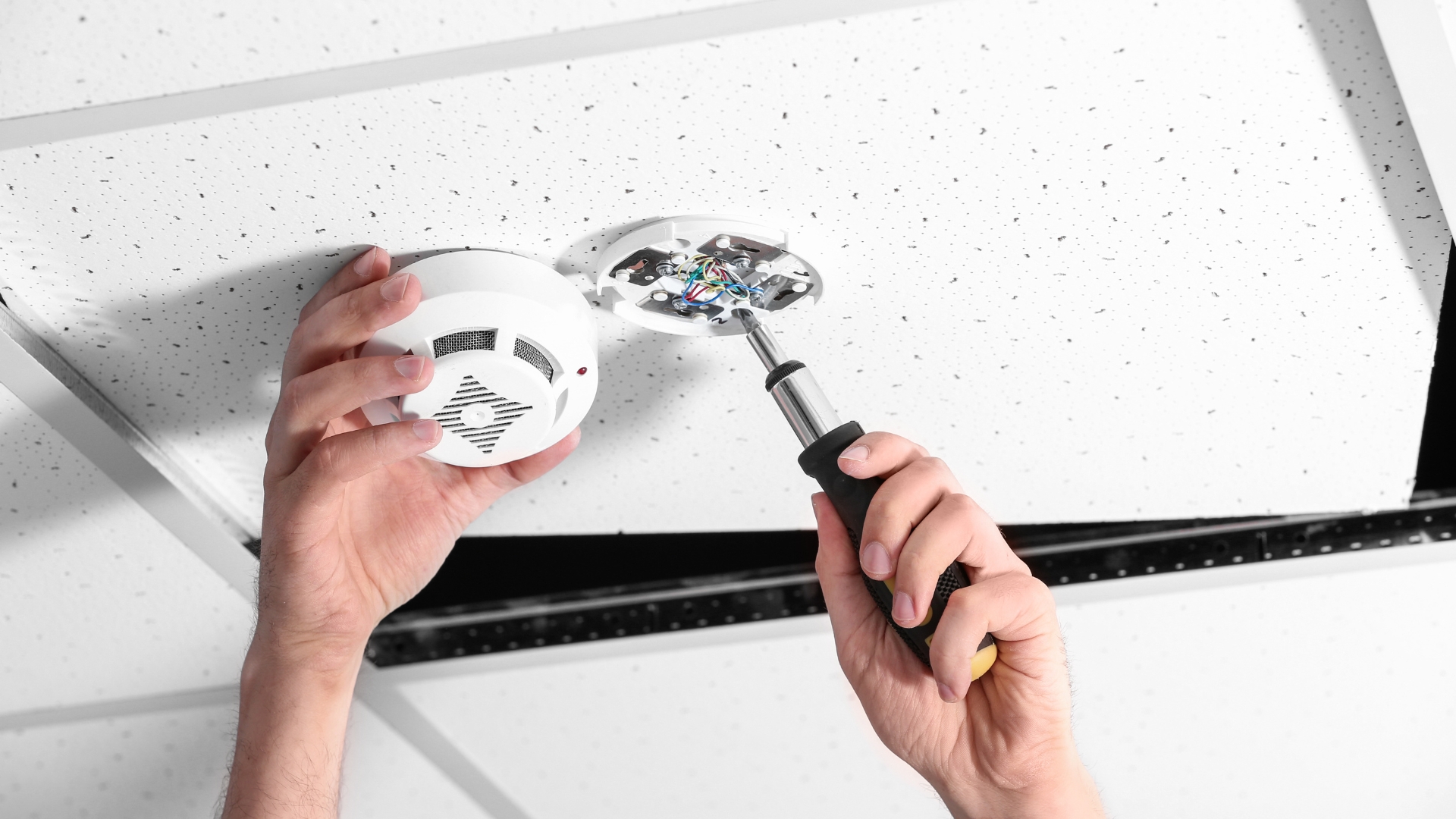

Smoke Alarm Installation Guide: Everything You Need to Know
Smoke alarm installation is, without a doubt, indispensable in the protection of your home and family. These small devices are all-important in protecting your household by giving warnings in case of fire. A fast fire can be explosive, as, many times, only turns of seconds will lead to unrealized ends: a properly installed smoke alarm provides those extra moments that are needed to evacuate the home, call emergency services, or otherwise small fire control before a full-blown disaster occurs.
Most people might not realize that a simple, quick-to-install smoke alarm saves lives; therefore, underestimating one of the best life-saving devices in your house, most people tend not to realize its potential or importance to them. This is not an exhaustive guide as this is what is supposed to hold your hand through the selected instances in the smoke alarm installation. It would cover the choice of the right kind of alarm, as well as proper placement, maintenance, and upgrades to doing the installation for oneself vs. hiring a pro. It would also delineate why professional help might be useful: this is of utmost concern to ensure that your house is as safe as possible and hence peace of mind that your family is well protected against the devastating effects of fire.
You will end up with knowledge on all the things that you should know by the end of this book in being able to use smoke alarms as effectively as possible to keep your home as safe as possible so that you can sleep easy knowing you have done everything necessary in keeping your family and property as safe as you could.
Why Smoke Alarms Are Essential
When it comes to home safety, one of the simplest yet most effective tools you can have is a smoke alarm. Often overlooked, these devices are critical in providing an early warning in the event of a fire, potentially saving lives and minimizing property damage. Every year, thousands of lives are lost, and countless others are affected by fires in homes across the country. Many of these tragedies could have been prevented or mitigated with the proper installation and maintenance of smoke alarms.
In this section, we’ll explore why smoke alarm installation is so essential to home safety. We’ll highlight the life-saving benefits of these devices, how they work to protect you and your family, and why neglecting to install or maintain them could put your home and loved ones at risk. Understanding the importance of smoke alarms is the first step in ensuring your home remains safe and secure for years to come.
The Role of Smoke Alarms in Fire Safety
Smoke alarms are detectors that sense smoke present in the air and trigger an irritating alarm meant to scare its occupants. Fires spread rapidly, and a few minutes of advanced warning can be the difference between life and death.
Statistics on Fire Incidents
For every year in Australia, residential fires cause a high degree of damage to property and loss of human life. Fire safety authorities keep records showing the following information:
- 50% of house fire deaths occur in homes without working smoke alarms.
- Most fatal fires happen at night when occupants are asleep.
Legal Requirements for Smoke Alarms
The Australian law requires smoke alarms for all residential properties to not only be safe but also regular practice to prevent penalties.
Types of Smoke Alarms: Choosing the Right One for Your Home
The first step in smoke alarm installation is learning about the varieties to clear which one of them will be required for site safety for your house. Every smoke alarm is different as each type works under some special difference. The specific need depends on the arrangement of the house, the budget, and the type of environment being secured.
In this section, you can get to know about the various smoke alarms, what they do, where they are best suited, and why they should be installed. This is valuable information whether you’re adding new smoke alarms to your current system or replacing existing ones, and it will help you make informed decisions about what’s best for you. All you need to know to ensure you’re equipped with the best protection possible for your home and family can be found here, from ionization alarms to photoelectric and dual-sensor options.
The smoke alarm has to be chosen carefully to be effective at detecting fire. The main types are:
1. Ionisation Smoke Alarms
- How They Work: Detect smaller, invisible smoke particles from fast-flaming fires.
- Best Use: Ideal for kitchens and areas prone to fast fires.
- Limitations: More likely to trigger false alarms from cooking fumes.
2. Photoelectric Smoke Alarms
- How They Work: Detect larger smoke particles from smoldering fires.
- Best Use: Bedrooms, hallways, and living areas.
- Advantages: Less prone to false alarms, making them a popular choice.
3. Dual-Sensor Smoke Alarms
- How They Work: Combine ionization and photoelectric technologies.
- Best Use: Comprehensive protection for all areas of the home.
- Advantages: Higher detection accuracy.
4. Smart Smoke Alarms
- How They Work: Connected devices that send alerts to your smartphone.
- Best Use: Modern homes with smart systems.
- Advantages: Remote monitoring, interconnectivity, and fewer false alarms.
Battery vs. Hardwired Smoke Alarms
- Battery-Powered: Easier to install but require regular battery replacements.
- Hardwired: Connected to your home’s electrical system and often have backup batteries. Professional installation is recommended.
How to Install a Smoke Alarm Properly
Smoke detectors are not just about fixing them to the ceiling. They should be well-positioned and installed to work perfectly. The areas where smoke alarms are located are crucial since they should help detect smoke at an early stage for a timely alarm before it becomes a danger. Poorly placed smoke alarms were installed either in the wrong place or not working at their best and would not serve the best protection for the house; they might even fail when it is required most. So it is important to learn correct methods of installation and to follow the proper guiding principles for the best possible benefit from your smoke alarms.
Installing smoke alarms is so much more than sticking a device to the ceiling. It’s about making sure the smoke alarm is positioned correctly and installed in a way that allows the device to function at its best. The placement of your smoke alarms plays a vital role in effectiveness because it makes sure smoke can be detected and warned about before it affects invasion. A smoke alarm that is poorly installed, whether in the wrong location or improperly configured, would not provide the protection that is needed for your home, and could fail when you need it most.
Pre-Installation Preparation
- Select the Right Type: Refer to the previous section to choose the best alarm for your needs.
- Gather Tools: You’ll need a drill, screws, screwdriver, and a ladder.
- Read Instructions: Every smoke alarm model has specific installation guidelines.
Step-by-Step Guide to Install Smoke Alarms
- Determine Placement:
- Install on ceilings, at least 30 cm away from walls.
- Avoid installing near windows, doors, or vents.
- Mark the Spot: Use a pencil to indicate where screws will go.
- Drill and Secure the Mounting Bracket: Drill holes and secure the bracket firmly.
- Attach the Alarm: Align and twist the smoke alarm onto the bracket.
- Test the Alarm: Press the test button to ensure it functions correctly.
Mistakes to Avoid During Installation
- Placing alarms too close to cooking appliances or steamy areas.
- Forgetting to test the alarm after installation.
- Using expired or low-quality batteries.
Smoke Alarm Placement Guidelines
When it comes to safety against fire, the importance of smoke alarms in guarding one’s home and loved ones cannot be understated. However, installing one will not be enough; its location also counts. Smoke alarms placed in the right position spell the difference between early detection of fire and its delay, enabling action to be taken before serious damage or injury occurs. This guide will help identify those factors concerning the location of smoke alarms in your home to achieve maximum protection and peace of mind. Whether it is your first installation or an upgrade of an existing system, knowing the best practices of smoke alarm installation is important in fulfilling your goal of a safe living environment.
Where to Place Smoke Alarms in Your Home
Proper placement ensures that smoke alarms detect fires as early as possible.
- Bedrooms: Install alarms inside or just outside each bedroom.
- Kitchens: Keep alarms at least 3 meters away from stoves to avoid false alarms.
- Hallways: Place alarms in hallways connecting sleeping areas.
- Living Rooms: Important for homes with fireplaces or heaters.
Multi-Story Homes
- Place alarms on each level of your home, including basements.
- Install alarms at the top of staircases to detect rising smoke.
Dead Air Space
Stay away from corners and ceiling joints. Smoke can completely bypass detection under these conditions. Install alarms at least 10 cm away from walls or ceilings.
How Many Smoke Alarms Do You Need?
As prescribed by Australian standards, all bedrooms, hallways, and common areas should have alarms installed. In larger homes, one might need to install additional units to achieve full coverage.
Maintaining Smoke Alarms
The very first and most important step in securing a home with smoke alarms is regular maintenance to ensure their successful functioning whenever required. Smoke alarms are built to be reliable for years together, but as with any other safety apparatus, they too require periodic attention to keep them fully operational. Ignoring testing, cleaning, and replacing batteries disallows proper functioning or false alarms and thus jeopardizes the safety of fire for your home. In this section, one will limit themselves to what has to be done to have those smoke alarms always functional. Thus, offering you a good score at the back of your mind as far as your family’s safety in case of fire is concerned.
Regular Testing
Check your alarms every month, by testing them using the test button. If there is no noise, replace the batteries or check your power connection.
Battery Replacement
- Replace standard batteries annually.
- If your alarm uses a 10-year sealed battery, replace the entire unit after 10 years.
Cleaning
Dust and debris can have interfered with sensors. Every six months, clean your smoke alarms with a vacuum or soft cloth.
Replacing Smoke Alarms
Most alarms have a 10-year lifespan. Check the manufacturing date and upgrade to a newer model if needed.
Troubleshooting Common Issues
- Frequent False Alarms: Relocate the alarm to a better spot.
- Beeping Without Smoke: Check for battery issues or environmental factors like humidity.
Upgrading to Smart Smoke Alarms
Just as technology changes so is the way we have started to protect our homes. One of the most recent features of modern home-living safety is the introduction of smart smoke alarms. Unlike ordinary smoke alarms, they don’t just send an alarm for smoke or fire detection but also combine many of the smart features one would expect and provide convenience to be secure and less worried. With the ability to notify through compatible smartphones, interconnect with other smart devices in the house, and limit false alarm spillover, the upgrade now to smart smoke alarms has proven to be a pretty nifty deed for most homeowners. This section discusses the changeover’s benefits and how smart smoke alarms will provide even more fire safety for a home and family.
Why Choose Smart Alarms?
Smart smoke alarms offer enhanced safety and convenience.
- Remote Monitoring: Receive alerts on your phone, even when away.
- Interconnectivity: Alerts sound across all alarms in your home.
- Smart Home Integration: Compatible with systems like Google Home and Alexa.
Professional Installation for Smart Alarms
Experts like SBS Electrical Service ensure proper setup and integration with your smart home system.
Smoke Alarm Regulations in Australia
When it comes to home safety, one of the most important aspects is fire prevention, most of all in Australia, where smoke alarms are given high priority. In addition, such laws about the installation of smoke alarms in homes and other buildings aim to have homes and buildings in the country fitted with smoke detection and fire alarm systems, which would save many lives and prevent many more severe damages. Besides, understanding it is vital with homeowners and landlords, as well as tenants since legal compliance is not just about safety but also the law. The following text crawls for every state in Australia on the smoke alarm regulations: what you need to know to be safe and encumber free with the law. If you need to install new smoke alarms or change the old ones, knowing the applicable rules can help you make the right choices regarding your home or business.
National Standards
- Smoke alarms must comply with AS 3786.
- Installation in every bedroom, hallway, and living area is mandatory.
State-Specific Regulations
- Queensland: Interconnected photoelectric alarms are required for new builds and rentals.
- NSW: Hardwired alarms are mandatory in new homes, with battery-operated alarms permitted in older properties.
Compliance Tips
- Hire a licensed electrician for annual checks.
- Keep a record of maintenance and compliance for rentals or sales.
Benefits of Professional Smoke Alarm Installation
While DIY installation is possible, professional services ensure accuracy and compliance.
Advantages of Hiring Professionals
- Expertise: Licensed electricians know local regulations and proper placement.
- Safety: Reduces risks of faulty installation.
- Time-Saving: Professional services save you time and effort.
- Comprehensive Solutions: Companies like SBS Electrical Service provide installation, maintenance, and upgrades.
When to Call a Professional
- Installing hardwired alarms.
- Upgrading to smart smoke alarms.
- Ensuring compliance with state regulations.
Conclusion: Secure Your Home with Proper Smoke Alarm Installation
Smoke alarms are essential for protecting your home and loved ones. By understanding how to install smoke alarms, maintaining them regularly, and upgrading to smarter systems, you can ensure your household’s safety.
If you’re unsure about installation or compliance, consider professional help. Licensed electricians, like those at SBS Electrical Service, provide expert services tailored to your needs. Don’t wait for a disaster to prioritize fire safety—take action today!